
Culture Commons invited to share national expertise on cultural devolution in Cumbria
Culture Commons joined senior leaders across the cultural sector and devolved institutions in Cumbria to explore the opportunities devolution might bring to the culture, creativity and heritage across the region.
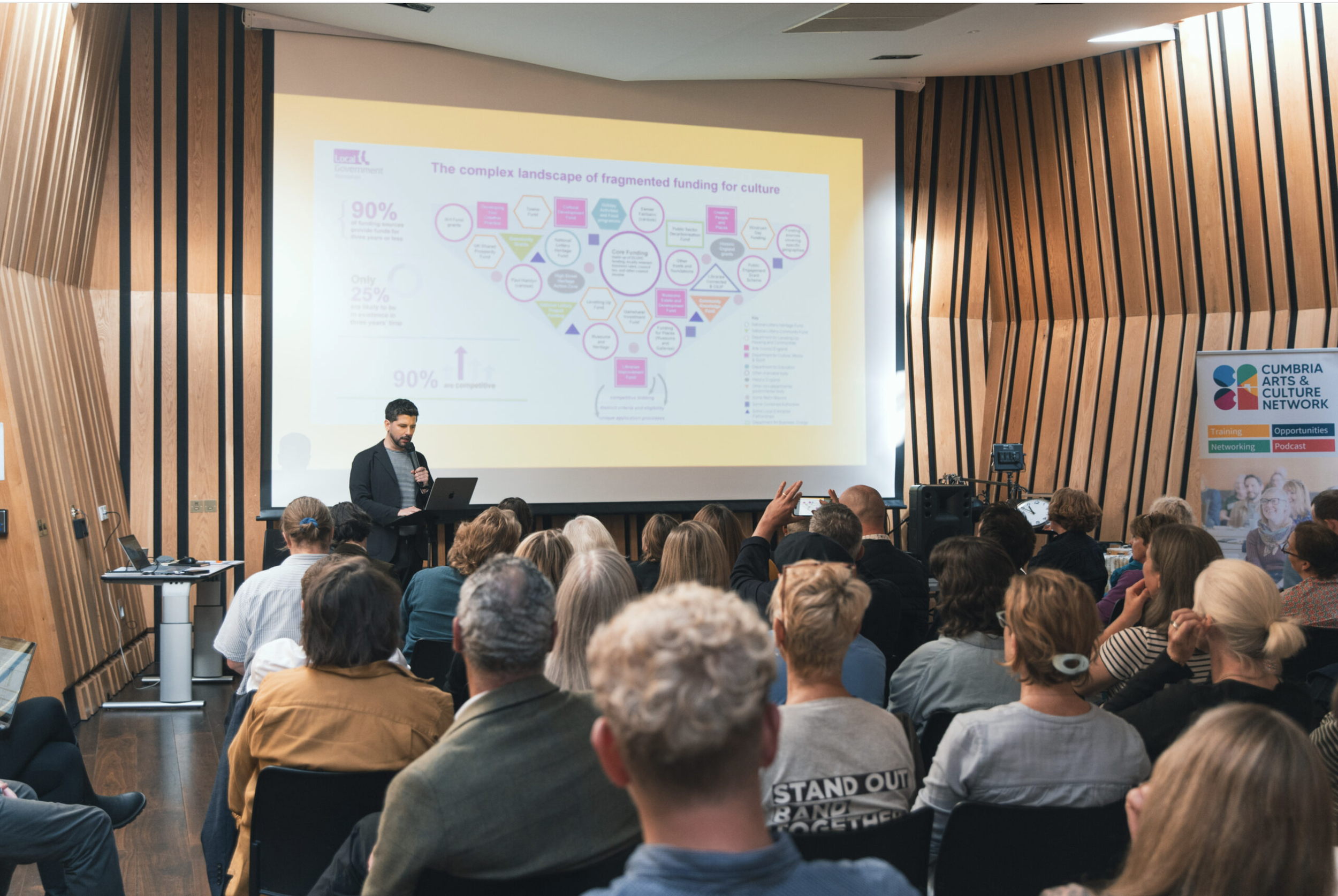
Culture Commons was invited to Cumbria last week to share our national expertise on cultural devolution as the region begins to shape its new devolved arrangements.
Our Director and CEO, Trevor MacFarlane, delivered the opening keynote at The Big Meet, hosted by Cumbria Arts and Culture Network’s (CACN), bringing together 84 cultural leaders, local government representatives, the emerging Cumbria Combined Authority and young people to explore what devolution might mean for culture, creativity and heritage.
The event takes place at a significant moment for the region. Cumbria’s new Combined Authority has just been setup and is now taking shape ahead of the very first mayoral election in May 2027, creating an important opportunity to insert culture into the policy dialogue early.
Trevor was joined by Helen Pheby, Head of Culture at West Yorkshire Combined Authority, sharing learning from one of England’s more established mayoral regions, and Jacob Ellis from the Office of the Future Generations Commissioner for Wales, bringing perspectives from Wales’ distinctive approach to culture and future generations.
We also heard directly from the emerging Combined Authority, Cumbria’s two unitary councils and five members of CACN’s Youth Advisory Group, who shared their ambitions for the region’s cultural life over the next 20 years.
A Cumbrian model of cultural devolution?
Drawing on two years of Culture Commons’ national research and policy development, Trevor’s keynote proposed that Cumbria has a real opportunity to help answer an important question for cultural devolution in England: what does high-quality cultural devolution look like when it is designed around rural, coastal and dispersed communities from the outset?
England’s earlier waves of devolution have been dominated by large metropolitan areas. Cumbria presents a very different geography: towns, villages and coastal communities spread across a large area, with cultural infrastructure distributed across major organisations and heritage assets, festivals, village halls, touring networks, community organisations and freelancers.
That difference should be an asset. Rather than importing somebody else’s model, Cumbria could become something of a vanguard for cultural devolution in rural, coastal and dispersed communities - learning from places further along their devolution journey while developing approaches suited to its own cultural ecosystem.
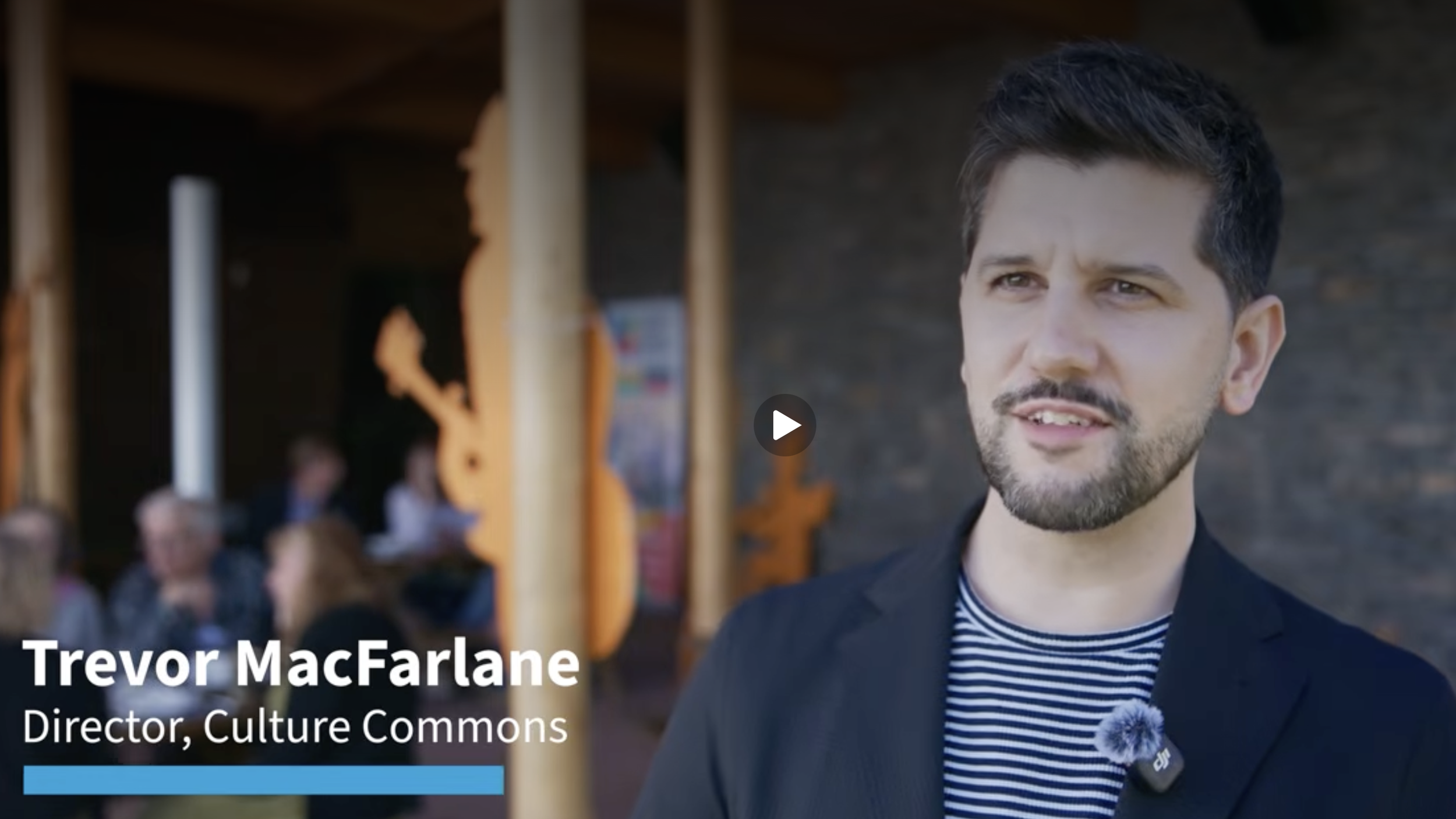
Trevor suggested some practical first steps:
Build the table, through a representative Culture Forum bringing different voices into decision-making;
Build the plan, around the needs and ambitions of Cumbria’s cultural ecosystem;
Build the evidence, based on what matters to people and places here;
Explore how a future mayor could convene partners and investment; and then
Test and learn what works
Encouragingly, much of that work is already beginning.
The day heard early findings from the forthcoming Cumbria Cultural Impact Report, building the evidence for culture as connective and economic infrastructure across the county.
This is exactly the kinds of conversations we want to support through Culture Commons’ new open policy development programme dedicated to cultural devolution.
We have invited Cumbria’s emerging devolved institutions and cultural networks to join us - both to ensure that learning from Cumbria informs the national policy conversation and to connect the region with other places across England grappling with many of the same questions.
There is now a generation of English devolution to learn from. But plenty about its next chapter remains undecided.
Cumbria doesn’t need to inherit somebody else’s model of cultural devolution. It has an opportunity to help the rest of us understand what cultural devolution looks like when it is designed around a place like this.
Our thanks to CACN and everyone we met for inviting Culture Commons into the conversation.