Culture Commons brings people, places & decision-makers together to co-design better policy for the UK’s creative, cultural & heritage ecosystem.
What we do
We’re a specialist research and policy development organisation working to help culture, creativity and heritage thrive across the United Kingdom.
We advise sector leaders, organisations, communities and governments at every level, helping them navigate change, build evidence and shape what comes next.
We turn cutting edge research and insight into new policies, strategies, frameworks and practical tools – bringing different interests together to find common ground, develop shared solutions and influence decision-making.
Our work is focused on building a stronger, fairer and more sustainable creative, cultural and heritage ecosystem for everyone.
-
We generate the evidence that cultural organisations, funders and policymakers need to make better decisions.
Our research doesn’t sit on shelves: it moves agendas forward and empowers organisations to act with more confidence.
From incisive policy reviews and insight-driven discussion papers to detailed evaluations and peer-reviewed academic research, our work sparks debate and leads to real-world impact.
Example Project: ‘Culture in Crisis’ - the largest study in the world examining the impact of the Covid-19 pandemic on the cultural and heritage sectors in the four UK nations.
-
We help organisations understand and communicate their individual and collective impact.
Using mixed-method approaches, we combine quantitative data with lived experience to explore what’s working, what’s not, and what can be improved.
Our evaluations go beyond measurement - they support reflection, sharpen strategy, and provide a credible evidence base for future funding and policy decisions.
Project Example: ‘Chatham High Street Heritage Action Zone Evaluation’ - a detailed assessment of a course at University of Kent designed to involve students in a major Historic England backed development project.
-
We don’t simply react to change - we help shape it.
Our policy design work is grounded in evidence and tailored to the fast-moving realities that our sectors face.
We blend sector expertise with rigorous analysis and political insight to ensure arguments land credibly with the decision makers who implement them.
We monitor legislative developments in all four UK parliaments and are increasingly working in regional contexts with mayors as devolution extends and in international contexts too.
Example Project: ‘The Future of Cultural Devolution in the UK’ - a major multi-partner open policy development programme that has change a flagship piece of UK Government legislation.
-
We create opportunities for cultural leaders, practitioners and communities to shape public policy and engage directly with decision-makers.
By convening roundtables, running policy labs, hosting public events and producing accessible thought leadership, we connect creative and cultural stakeholders with key decision-makers at a range of scales.
Our advocacy builds shared understanding, raises visibility, and secures the recognition and resources that the sectors need to thrive.
Example Project: ‘English Civic Museums Network Policy Review’ - setting a new policy direction and securing investment for more than 100 local museums across England.
£21 million +
Funding opened up for clients
300+
Organisations supported
25+
Projects successfully delivered
Find out about our services

Who we work with
We work a wide range of stakeholder groups operating right across the creative, cultural and heritage ecosystem - from local and strategic authorities, to universities and research institutes, sector representative bodies and national governments.
Including…
-
We help creative firms, cultural institutions and others think about their position within the ecosystem, measure their impacts and articulate how they support policy priorities at a range of spatial scales.
We also help our sectors to get their work recognised by decision makers and put compelling cases for investment together to secure their long-term future.
Our ecosystem focus means that we are able to develop work that benefits everyone - not just those with the time and resources to commission work from us.
-
We work with researchers and higher education institutions on research projects and help them translate findings into actionable policy recommendations.
We help researchers get their work in front of key decision-makers across a range of government departments to inform live policymaking processes.
Our work supports universities in achieving their goals under the Research Excellence Framework and Knowledge Exchange Framework.
-
We work with senior leaders, elected politicians and civil servants across the country to boost creative, cultural, and heritage outcomes locally and regionally.
We increasingly partner with elected mayors and the combined authority teams they lead to maximise the opportunities that devolution presents.
-
We work with national governments across all four UK nations, briefing Ministers, Cabinet members, and Secretaries of State and their teams on key policy developments.
Collaborating closely with civil servants, we also help develop practical solutions based on our findings.
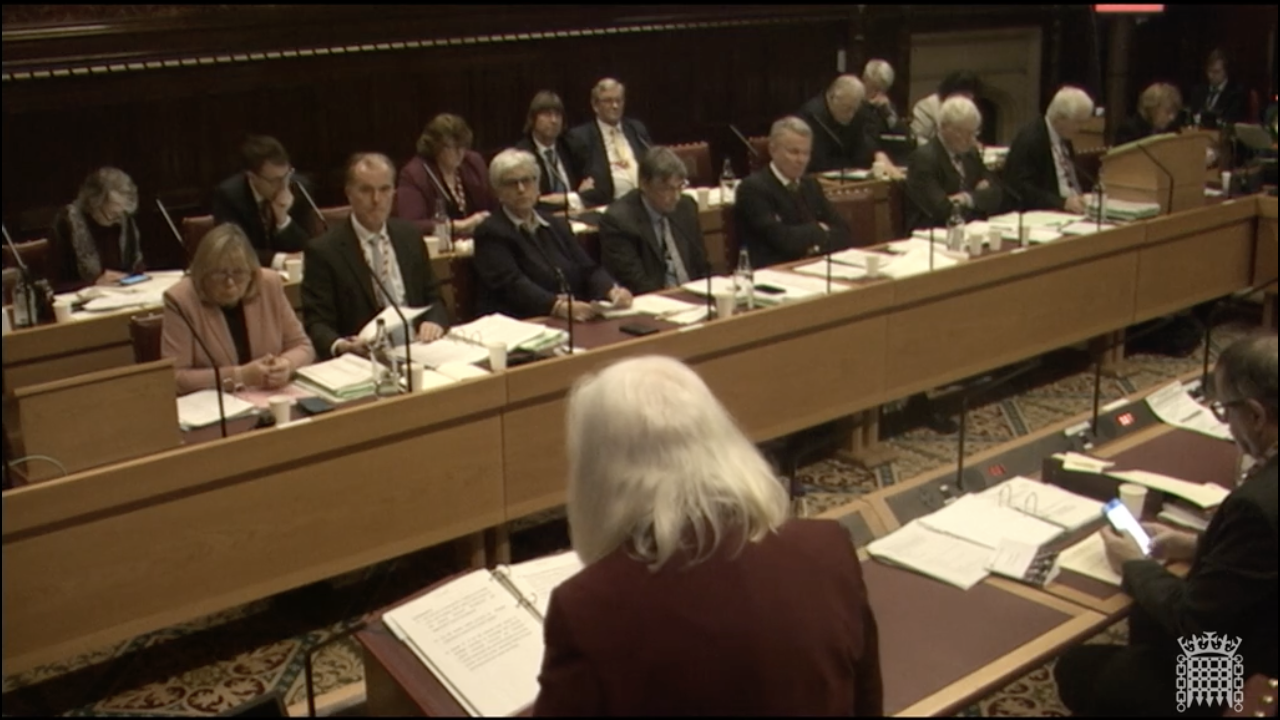
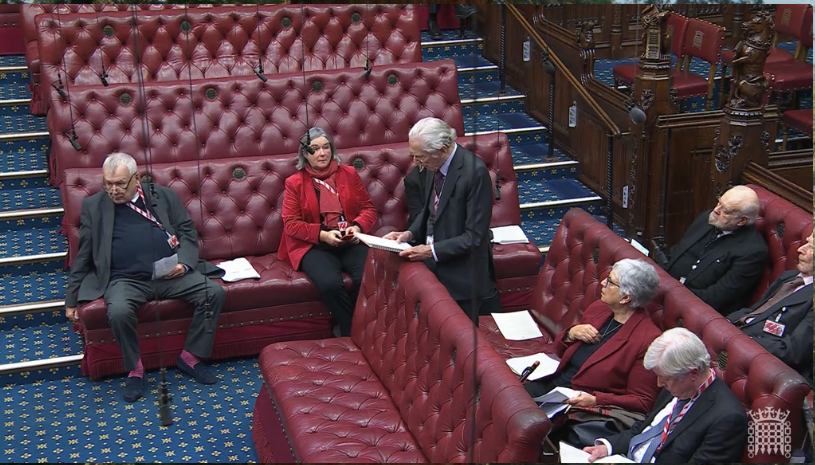
We influence policy through evidence submissions to committees and all-party parliamentary groups, while uniting the creative, cultural, and heritage sectors to make sure their priorities reach senior parliamentarians.

















Current Projects
We’re building an open policy development platform dedicated to cultural devolution
Earlier this year, we secured culture’s rightful place within the UK Government’s flagship devolution legislation.
So we’re building a coalition of partners to create a new not-for-profit open policy development platform to begin putting those new powers into practice.
-

National Cultural Data Observatory
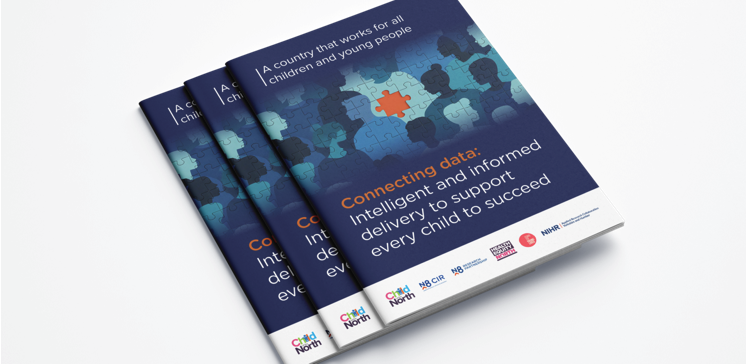
We’re working with the Centre for Cultural Value, The Audience Agency and My Cake to scope a blueprint for a new national body that will help people, places and organisations to collect, collate and communicate data better.
-

When Excellence Moves
We’re combining audience intelligence, geographic analysis and policy research to set out how large-scale national dance touring companies are contributing to priorities including health, education, skills, economic growth and placemaking.
-

Culture & Heritage Capitals
We’re working with Historic England, the Department for Culture, Media and Sport and others to help develop a new framework to measure Culture and Heritage Capitals that will inform an update HM Treasury's ‘Green Book’ approach to investment.
Featured Publications
-

Strengthening the English Devolution and Community Empowerment Bill
-

Culture-led capital projects: catalysing local decision making in place
-

A review of devolution and the UK's creative, cultural, and heritage ecosystem
Latest News