UK Government backs Culture Commons’ call to include ‘Culture’ in flagship Devolution Bill
Major policy breakthrough follows a sustained, multi-year programme of research, policy development and advocacy, drawing on research developed with 30 core partners, over 250 consulted organisations and six universities.

The UK Government has confirmed that it will table an amendment to include “Culture” in the English Devolution and Community Empowerment Bill.
Culture Commons has been keeping culture firmly on the agenda as the Bill progressed through Parliament with sustained engagement with Secretaries of State, Ministers, Mayors, MPs and Peers - building strong cross-party backing for our proposals.
As a result, the creative, cultural and heritage sectors will now be recognised as more than an afterthought, but as a central driver of high quality devolution that delivers economic growth, democratic engagement and public value.
This marks a significant shift in national cultural policy.
What the amendment will do
The wider Bill establishes the framework for transferring powers and responsibilities from Westminster to Strategic Authorities across England. It forms part of the Government’s ambition to deepen devolution, encourage decision-making closer to communities and deal with the over-centralisation of the state.
As originally drafted, the Bill devolved powers across other policy areas like transport, health and skills. The creative industries were catered for under the ‘economic development and regeneration’ provisions. However, the arts, culture and heritage were not explicitly included, despite their prominence in the preceding White Paper; this created a clear risk that our sectors would be overlooked within future devolution policy.
The amendment developed and advanced by Culture Commons, and which has now been taken up by the government, addresses this gap by establishing “Culture” as an eighth area of competence within the Bill, alongside seven other core policy areas.
In practice, this gives Strategic Authorities - for the first time - a very clear mandate to take a more coherent and strategic approach to the creative, cultural and heritage sectors within their sub-regional footprints. It also further open up an opportunity to align our sectors with other agendas in the Bill - for example growth, regeneration, health and skills - while also recognising their distinctive role in supporting identity, civic life and place in and of themselves.
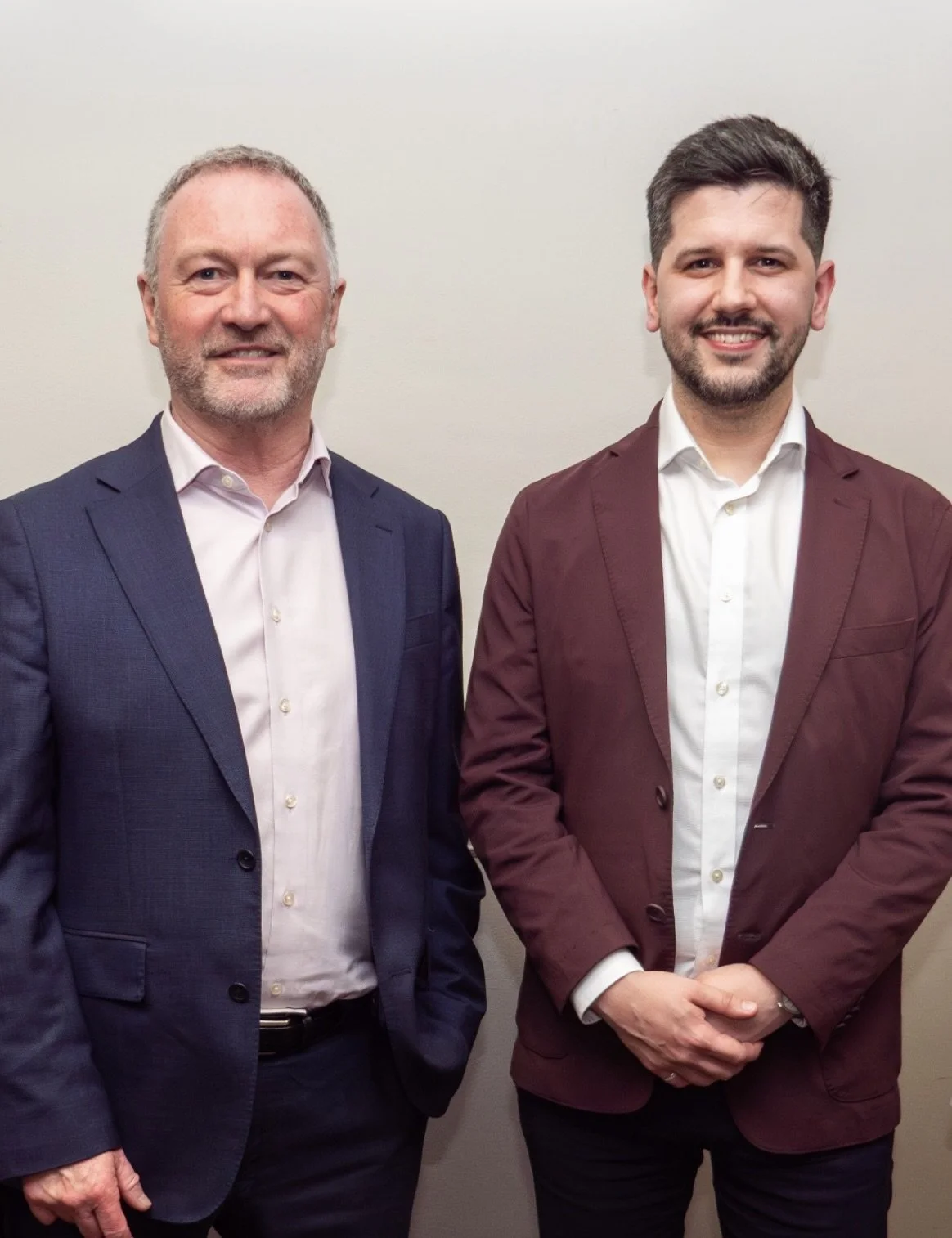
Secretary of State for the Ministry of Housing, Communities and Local Government, Rt Hon Steve Reed OBE MP (left) with Culture Commons Director, Trevor MacFarlane FRSA (right).
How we got here
In 2024/25, Culture Commons led an extensive independent programme of research and open policy development on the subject of ‘cultural devolution’.
Working with partners across local government, the cultural sector and academia, we built a robust evidence base and translated this into practical recommendations - publishing our findings on a policy portal.
We then used that evidence base and our ongoing engagement with key decision makers across the UK throughout 2025/26 to inform a series of detailed amendments to the Bill itself.
This was followed by sustained, targeted engagement with Ministers, parliamentarians and officials, ensuring that our proposals were understood, tested and advanced at every stage of the legislative process.
What happens next
The amendment will be debated in the House of Lords soon, before the Bill returns to the House of Commons for final approval and Royal Assent.
With the Government now backing the change with their own amendment, it is highly likely to be incorporated into the final legislation.
The inclusion of culture within the devolution framework creates substantial opportunities as well as raises several important questions about how the new power will be implemented, governed, and resourced from here.
A ‘think and do tank’ for cultural devolution
We believe this marks the beginning of a new phase for cultural policy in England.
As devolution extends and Strategic Authorities take on new powers, there will be a growing need for places and organisations to be able to translate national priorities into clear, locally grounded strategies and programmes.
Culture Commons is now mobilising the next phase of our work by expanding our ‘think and do tank’ for cultural devolution and bringing together universities, local and regional governments, sector bodies and arm’s length organisations.
Alongside this, we are supporting partners to navigate the opportunities created by the Bill, from shaping regional cultural ecosystem strategies and influencing devolution settlements, to designing governance models, investment approaches and cross-sector partnerships.
We will continue to engage closely with government as policy develops, ensuring our partners are well positioned to respond to and shape the next phase of cultural devolution.
If you are considering what this means for your organisation, or how you can play a more active role as part of our ‘think and do tank’, we would welcome a conversation.
Research phase partners
The policy and advocacy phase of this work was informed by an earlier research and insight programme, The Future of Cultural Devolution in the UK. This multi-disciplinary programme was led by Culture Commons in partnership with a coalition of local and regional governments, sector bodies and academic institutions across the UK. We are grateful to all partners for their contribution to this work: